
Medical Writing
About This Course
Unlock the potential of medical writing with our comprehensive program tailored for aspiring and seasoned professionals in the healthcare and pharmaceutical sectors. This meticulously designed course equips participants with in-depth knowledge, technical expertise, and practical skills to excel in various domains of medical writing.
What You’ll Learn:
- Gain a solid foundation in medical writing principles, terminology, and regulatory guidelines.
- Master diverse writing styles for scientific, educational, regulatory, and marketing materials.
- Develop essential skills like research, referencing, and quality control for high-impact documentation.
- Stay updated with the latest industry standards, including ICH-GCP, NDCT Rules, and e-CTD submissions.
- Leverage AI tools and digital platforms to optimize writing efficiency and outreach.
Course Highlights:
- 12 In-Depth Modules: Covering everything from the basics of medical writing to advanced regulatory submissions, digital content, and ethical considerations.
- Interactive Learning: Engage with real-world scenarios, writing techniques, and standardized templates.
- Hands-On Projects: Apply your learning through Module 13, where you’ll work on live case studies and create professional-grade deliverables.
- Flexible Career Paths: Explore opportunities in regulatory writing, medico-marketing, freelancing, and digital content creation.
- Expert Guidance: Learn from industry professionals with extensive experience in medical writing and compliance.
Who Should Enroll?
- Healthcare professionals seeking to enhance their documentation skills.
- Students and graduates in life sciences, pharmacy, or medicine looking to explore a lucrative career path.
- Freelancers and content creators aiming to specialize in healthcare and pharmaceutical writing.
- Industry professionals transitioning into regulatory or digital medical writing roles.
Duration: 24 hours (12 modules + hands-on case studies)
Mode of Delivery: Online/Hybrid with recorded lectures, live sessions, and interactive assignments.
Take your first step towards becoming a proficient medical writer and gain the skills to create impactful content that bridges the gap between science and communication.
Enroll Now to transform your career and make a mark in the world of medical writing!
Learning Objectives
Material Includes
- Module-Wise PDFs: Detailed notes and summaries for every module, covering key concepts and examples.
- Case Studies and Projects: Real-world case studies and practical projects to apply your knowledge.
- Templates and Checklists: Ready-to-use templates for regulatory submissions, medico-marketing documents, and scientific articles.
- Glossaries: Comprehensive medical terminology glossaries, including prefixes, suffixes, abbreviations, and drug-related terms.
- Reference Style Guides: Easy-to-follow guides for Vancouver, APA, and AMA referencing styles.
- Regulatory Guidelines: Up-to-date copies of key guidelines like ICH-GCP, NDCT Rules, ICMR-HMSC, and others.
- Practice Assignments: Writing exercises and quizzes to reinforce your learning.
- Access to Q&A Sessions: Opportunities to interact with instructors during live Q&A sessions.
- Certification: A professional certificate of completion to boost your resume and credentials.
- Bonus Content: Resources on freelancing in medical writing and building a successful career.
- Discussion Forums: Access to online forums where you can network with peers, share insights, and get feedback.
- Career Guidance Resources: Tips and strategies for building a portfolio and acing interviews in the medical writing domain.
Requirements
- Educational Background:
- A degree or background in life sciences, pharmacy, biotechnology, microbiology, medicine, nursing, or a related field is recommended but not mandatory.
- Language Skills:
- Proficiency in written and spoken English is essential, as medical writing requires precise and clear communication.
- Technical Requirements:
- Basic knowledge of using computers and the internet for research and writing tasks.
- Familiarity with MS Word and PowerPoint is helpful for creating documents and presentations.
- Interest in Writing and Healthcare:
- A keen interest in healthcare, pharmaceuticals, or science communication will enhance the learning experience.
Target Audience
- Healthcare Professionals: Doctors, nurses, and allied healthcare workers who want to expand their skill set in scientific and medical communication.
- Life Sciences Graduates and Students: Individuals with backgrounds in pharmacy, biotechnology, microbiology, medicine, or related fields seeking to explore career opportunities in medical writing.
- Aspiring Medical Writers: Beginners who want to build a strong foundation and enter the field of medical writing.
- Freelancers and Content Creators: Writers who aim to specialize in healthcare, pharmaceutical, and medical content creation.
- Regulatory and Clinical Professionals: Those involved in clinical trials, regulatory submissions, or pharmaceutical industries, looking to refine their documentation skills.
- Academicians and Researchers: Professors, lecturers, and researchers aiming to publish high-quality scientific articles, grant proposals, and study reports.
- Marketing Professionals in Healthcare: Individuals working in health product promotion and medico-marketing who want to improve their content strategies and delivery.
- Career Changers: Professionals transitioning from other fields into medical writing and seeking structured guidance.
- Entrepreneurs and Small Business Owners: Founders of healthcare startups needing expertise in creating regulatory and promotional content.
- Global Participants: Anyone interested in understanding international standards for medical documentation and writing, regardless of geographic location.
Curriculum
Module 1: Introduction to Medical Writing
Overview of medical writing and its career scope
Types of medical writing: regulatory, scientific, educational, promotional, and digital
Skills required for medical writing: research, language proficiency, and technical knowledge
Understanding the target audience: healthcare professionals, patients, regulators
Quiz
Module 2: Fundamentals of Medical Terminology
Module 3: Research, Writing Techniques, and Reference Styles
Module 4: Regulatory Writing Essentials
Module 5: Clinical Trials and Latest Updates
Module 6: Dossier Preparation in CTD and e-CTD Format
Module 7: Standardization and Templates for Regulatory Submissions
Module 8: Medico Marketing Writing
Module 9: Achieving Flow and Cohesiveness in Writing
Module 10: Managing the Review Process and Quality Control
Module 11: Digital Medical Writing
Module 12: Plagiarism, Copyright, and Ethical Considerations
Module 13: Real-Time Hands-On Case Studies and Projects
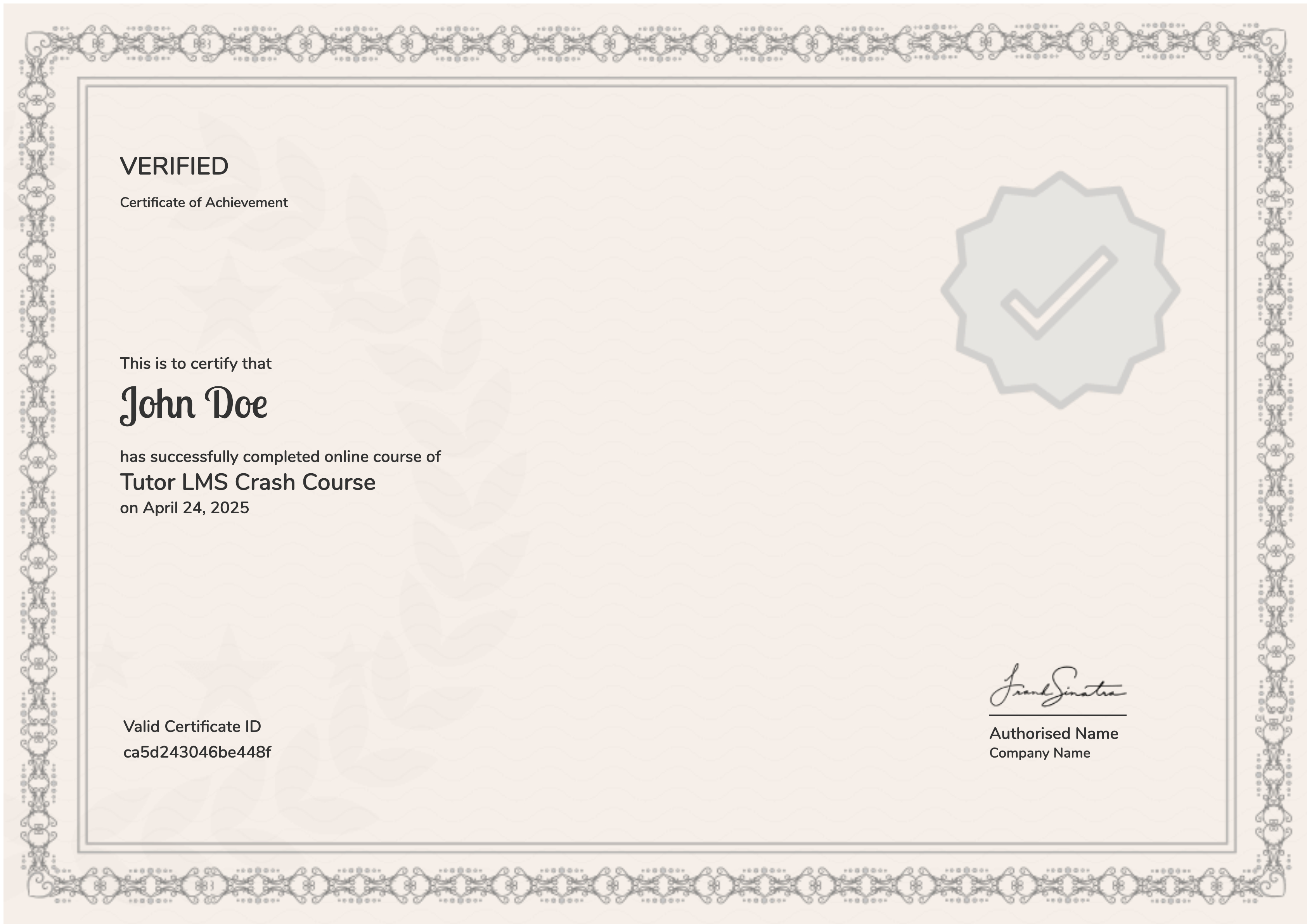
Earn a certificate
Add this certificate to your resume to demonstrate your skills & increase your chances of getting noticed.
Your Instructors

pathxcel
See more
Material Includes
- Module-Wise PDFs: Detailed notes and summaries for every module, covering key concepts and examples.
- Case Studies and Projects: Real-world case studies and practical projects to apply your knowledge.
- Templates and Checklists: Ready-to-use templates for regulatory submissions, medico-marketing documents, and scientific articles.
- Glossaries: Comprehensive medical terminology glossaries, including prefixes, suffixes, abbreviations, and drug-related terms.
- Reference Style Guides: Easy-to-follow guides for Vancouver, APA, and AMA referencing styles.
- Regulatory Guidelines: Up-to-date copies of key guidelines like ICH-GCP, NDCT Rules, ICMR-HMSC, and others.
- Practice Assignments: Writing exercises and quizzes to reinforce your learning.
- Access to Q&A Sessions: Opportunities to interact with instructors during live Q&A sessions.
- Certification: A professional certificate of completion to boost your resume and credentials.
- Bonus Content: Resources on freelancing in medical writing and building a successful career.
- Discussion Forums: Access to online forums where you can network with peers, share insights, and get feedback.
- Career Guidance Resources: Tips and strategies for building a portfolio and acing interviews in the medical writing domain.